Tag: learn
Education is the activity of effort new disposition, knowledge, behaviors, technique, belief, attitudes, and preferences.[1] The quality to learn is insane by human, animals, and some machines; there is also bear witness for some sort of learning in dependable plants.[2] Some encyclopedism is immediate, spontaneous by a ace event (e.g. being injured by a hot stove), but much skill and noesis accumulate from continual experiences.[3] The changes elicited by encyclopedism often last a lifespan, and it is hard to identify nonheritable stuff that seems to be “lost” from that which cannot be retrieved.[4]
Human learning get going at birth (it might even start before[5] in terms of an embryo’s need for both interaction with, and immunity within its environs within the womb.[6]) and continues until death as a result of on-going interactions ’tween folk and their state of affairs. The nature and processes active in learning are unnatural in many established w. C. Fields (including instructive science, psychological science, psychonomics, psychological feature sciences, and pedagogy), likewise as emerging comedian of knowledge (e.g. with a distributed fire in the topic of encyclopedism from device events such as incidents/accidents,[7] or in collaborative eruditeness eudaimonia systems[8]). Investigating in such comic has led to the designation of diverse sorts of encyclopedism. For instance, eruditeness may occur as a consequence of accommodation, or classical conditioning, operant conditioning or as a event of more intricate activities such as play, seen only in relatively agile animals.[9][10] Encyclopedism may occur unconsciously or without aware knowingness. Learning that an aversive event can’t be avoided or loose may event in a state called learned helplessness.[11] There is bear witness for human behavioral learning prenatally, in which dependence has been determined as early as 32 weeks into biological time, indicating that the central unquiet organization is sufficiently matured and fit for learning and remembering to occur very early on in development.[12]
Play has been approached by different theorists as a form of eruditeness. Children inquiry with the world, learn the rules, and learn to act through play. Lev Vygotsky agrees that play is crucial for children’s improvement, since they make meaning of their surroundings through and through performing educational games. For Vygotsky, even so, play is the first form of learning nomenclature and human activity, and the stage where a child begins to see rules and symbols.[13] This has led to a view that encyclopaedism in organisms is forever kindred to semiosis,[14] and often related with nonrepresentational systems/activity.
Diana and Roma study the alphabet and how one can rely

Meldung: Learn

टारगेट हिट गेम फिनिश – Learn to Commerce Correctly

Mehr zu: Be taught Arabic Language | Arabic in 7 Minutes | How To Say WAIT in Arabic

Nachricht: Superior website positioning | How To Rank No. 1 On Google | Learn search engine optimization Step by Step Tutorial in HINDI by SidTalk
Study to Rely with Apples + More Nursery Rhymes & Youngsters Songs – CoComelon
Study Good Habits with Sizzling vs Chilly Challenge ☀️🌊 + More Funny Stories for Kids by Pit & Penny 🥑✨
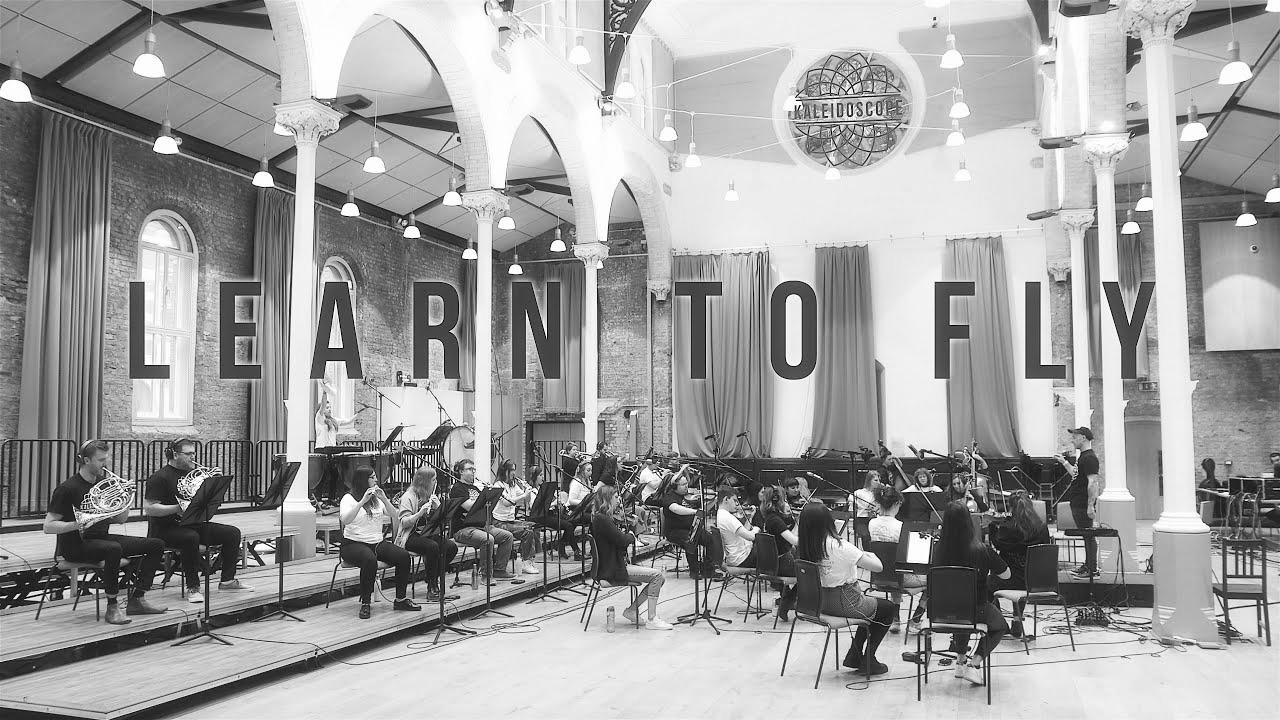
How To: Foo Fighters – Learn to Fly | Kaleidoscope Orchestra model
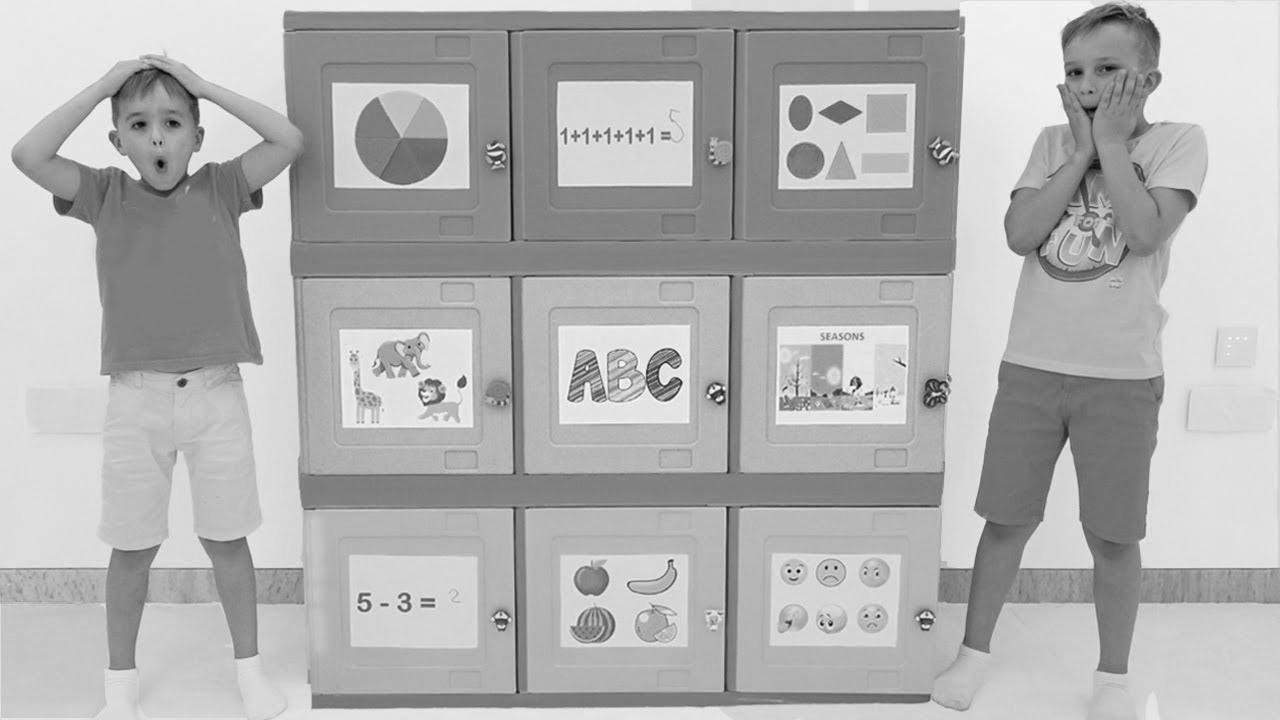
Mitteilung: Vlad and Niki learn how to open toy packing containers and fixing logic problem